

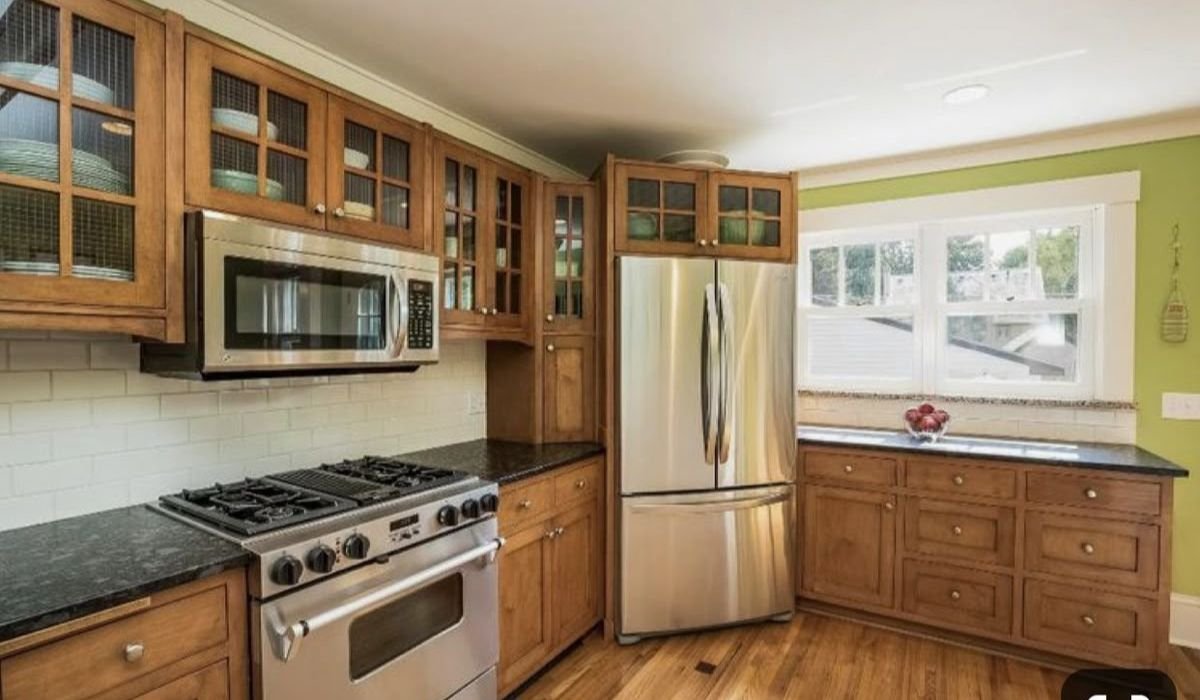
When kitchen space is limited, finding the right refrigerator can be surprisingly difficult. Standard refrigerators are usually designed to sit against a straight wall, which can leave awkward gaps in corners or make a small kitchen feel crowded. This is where a kolna corner fridge can become a practical and attractive solution. Designed to make better use of corner space, a corner refrigerator can improve kitchen organization while giving the room a cleaner and more efficient layout.
Whether you are renovating a compact kitchen, furnishing a new home, or simply looking for a smarter way to arrange your appliances, understanding the features of a kolna corner fridge can help you make a better purchasing decision. This guide explores what a corner fridge is, its advantages, important features, installation considerations, maintenance requirements, and tips for choosing a model that fits your needs.
What Is a Kolna Corner Fridge?
The term kolna corner fridge refers to a refrigerator designed or positioned specifically for use in a kitchen corner. Instead of requiring a large amount of open wall space, this type of refrigerator is intended to work efficiently within a corner-oriented layout.
Corner refrigerators can come in different shapes, capacities, and configurations. Some models are compact and ideal for apartments or smaller kitchens, while others offer large storage compartments suitable for families.
The main idea is simple: use an area that might otherwise be difficult to utilize. A well-designed corner refrigerator can turn an unused or inconvenient kitchen corner into valuable storage space.
Why Consider a Corner Refrigerator?
Kitchen layouts are becoming increasingly diverse. Open-plan homes, apartments, studio spaces, and smaller houses often require appliances that can fit into unusual spaces. A conventional refrigerator may technically fit into a corner but still create problems when the door opens.
A kolna corner fridge can be useful because its placement can be planned around the kitchen’s overall design. When the refrigerator, cabinets, counters, and other appliances are arranged correctly, the entire kitchen can feel more organized.
Another benefit is improved accessibility. Instead of wasting corner space on a cabinet or leaving an empty gap, homeowners can potentially use that area for food storage.
Space-Saving Benefits
One of the biggest reasons people consider a corner fridge is space efficiency.
In a small kitchen, every inch matters. A refrigerator placed incorrectly can interfere with cabinet doors, drawers, walkways, or cooking areas. A corner-focused design can help reduce these conflicts when the dimensions and door swing are carefully considered.
For apartments and smaller homes, this can make a noticeable difference. The refrigerator can become part of the kitchen layout instead of feeling like an appliance that was added afterward.
However, it is important to measure the available area before purchasing. A refrigerator that appears compact in photographs may require additional clearance around the sides, back, and doors.
Important Features to Look For
Not every refrigerator is the same, so buyers should consider several features before choosing a kolna corner fridge.
1. Size and Capacity
Start by determining how much food you normally store. A single person may not need a large refrigerator, while a family may require significantly more storage.
Think about both external dimensions and internal capacity. A refrigerator may have a relatively small footprint but still provide useful storage through adjustable shelves and well-designed compartments.
2. Door Design
The door is especially important when placing a refrigerator in a corner.
Check which direction the door opens and whether it can be reversed. Some refrigerators offer flexible door configurations, which can make installation much easier.
There should also be enough space for the door to open fully. Otherwise, drawers and shelves may become difficult to access.
3. Energy Efficiency
A refrigerator operates continuously, so energy efficiency should be an important consideration.
Look for an appliance with a good energy-efficiency rating appropriate for your local market. Efficient insulation, modern compressors, and smart temperature controls can help reduce electricity consumption.
Although an energy-efficient refrigerator may sometimes cost more initially, lower running costs can make it more economical over time.
4. Temperature Control
Different foods require different storage conditions. A good refrigerator should maintain stable temperatures and provide practical temperature controls.
Some models offer separate temperature zones for fresh food and Frozen products. Others may include specialized compartments for fruits, vegetables, meat, or beverages.
5. Storage Organization
Shelves, drawers, door bins, and freezer compartments can have a major impact on usability.
Adjustable shelves are particularly helpful because they allow you to accommodate tall bottles, containers, and larger food items.
A refrigerator with good organization can sometimes feel more spacious than a larger model with poorly designed storage.
Installation Considerations
Installing a corner refrigerator requires more planning than simply pushing the appliance into a corner.
First, measure the width, height, and depth of the available space. Then check the manufacturer’s recommended clearance requirements.
Ventilation is also important. Refrigerators need to release heat, and blocking ventilation areas can reduce efficiency or place unnecessary stress on the appliance.
The floor should be level as well. An uneven refrigerator can cause doors to close improperly and may create other operational problems.
If the refrigerator requires special electrical connections or modifications to cabinets, professional installation may be worthwhile.
Corner Fridge vs. Standard Refrigerator
A standard refrigerator can be an excellent choice when there is plenty of straight-wall space. However, it may not always be ideal for a corner kitchen.
A corner-focused refrigerator can provide better use of difficult spaces, but buyers should not choose one simply because it is called a corner fridge. Dimensions, door movement, capacity, energy consumption, and accessibility are still important.
The best option depends on the kitchen layout.
For example, someone with a large open kitchen may benefit more from a conventional full-size refrigerator. Someone living in a compact apartment may find a space-efficient corner design much more useful.
How to Measure Your Kitchen
Before purchasing a kolna corner fridge, take accurate measurements.
Measure:
- Available width
- Available height
- Available depth
- Distance from nearby cabinets
- Distance from walls
- Door-opening area
- Walking space in front of the refrigerator
Do not measure only the refrigerator’s body. You also need to consider handles, hinges, ventilation, and door clearance.
It is better to have a few extra centimeters of space than to discover after delivery that the refrigerator cannot open properly.
Design and Appearance
Modern refrigerators are available in many finishes, including stainless steel, black, white, silver, and other contemporary designs.
When choosing a corner refrigerator, consider how it will look with the rest of your kitchen. A refrigerator that matches your cabinets and appliances can create a more unified appearance.
For modern kitchens, a minimalist design with clean lines may work well. Traditional kitchens may benefit from a simpler finish that blends with existing cabinetry.
Appearance is important, but functionality should remain the priority. A beautiful refrigerator that is difficult to access will quickly become frustrating.
Maintenance Tips
Regular maintenance can help a refrigerator operate efficiently and last longer.
Clean shelves and drawers regularly, especially after spills. Check the door seals periodically to make sure they close tightly. A damaged or loose seal can allow cold air to escape.
Keep ventilation areas clear and follow the manufacturer’s instructions for cleaning coils or other components when applicable.
Avoid overloading the refrigerator. Cold air needs to circulate around stored food, and excessive overcrowding can make temperature management more difficult.
It is also useful to organize food logically. Keeping frequently used items in accessible areas can reduce the amount of time the door remains open.
Common Mistakes to Avoid
One of the most common mistakes is buying a refrigerator before measuring the kitchen.
Another mistake is ignoring the door swing. A refrigerator can fit perfectly into a corner but still be difficult to use if the door hits a wall or cabinet.
Buyers should also avoid focusing entirely on price. A cheaper appliance may have higher energy consumption or fewer useful features, potentially increasing its long-term cost.
Finally, do not ignore warranty and after-sales service. Refrigerators are long-term household appliances, so reliable support can be valuable if a problem develops.
Is a Kolna Corner Fridge Right for You?
A kolna corner fridge can be an excellent choice for homeowners who want to maximize kitchen space without sacrificing refrigerator capacity.
It is particularly worth considering if your kitchen has an awkward corner, limited wall space, or a compact floor plan. However, the right model depends on your household size, cooking habits, available space, budget, and preferred features.
If you have enough space for a standard refrigerator and its doors can open comfortably, a conventional model may still be the simplest option. But if your kitchen layout makes traditional placement difficult, a corner-oriented solution can provide a smarter alternative.
Final Thoughts
Choosing a refrigerator is about more than selecting an appliance with enough space for groceries. The refrigerator needs to work with the kitchen’s layout, daily routines, storage requirements, and energy needs.
A kolna corner fridge offers an interesting solution for people who want to make better use of corner areas. With careful planning, the right dimensions, suitable door clearance, efficient cooling, and practical storage features, a corner refrigerator can make a kitchen more functional and comfortable.
Before buying, always measure the space carefully, compare features, check energy efficiency, and think about how the refrigerator will be used every day. A little planning can prevent installation problems and help you choose an appliance that remains useful for years.
FAQs
What is a kolna corner fridge?
A kolna corner fridge is a refrigerator designed or selected for placement in a kitchen corner. It is intended to make efficient use of corner space while providing convenient food storage.
Is a corner fridge suitable for a small kitchen?
Yes. A corner refrigerator can be particularly useful in a small kitchen because it can make use of an area that might otherwise be difficult to utilize. However, accurate measurements are essential.
What should I measure before buying a corner refrigerator?
Measure the available width, height, depth, door-opening area, and surrounding clearance. Also check the manufacturer’s ventilation requirements before installation.
Are corner refrigerators energy efficient?
Energy efficiency depends on the specific model. Buyers should check the appliance’s energy rating, insulation, compressor technology, and expected electricity consumption before purchasing.
Can a regular refrigerator be placed in a corner?
Sometimes, but the refrigerator must have sufficient clearance for ventilation and door movement. A standard refrigerator that fits physically may still be inconvenient if its door cannot open properly.
Read More About : Trendixnews
